
In Bangladesh, I believe that the first and most crucial step toward regulating water transport, terminals, and ports is to completely ban the sale and use of tobacco products in launch and ferry canteens. At the same time, public awareness must be strengthened by increasing the number of warning signages and by conducting regular announcements and anti-smoking drives through public address systems at terminals.
To effectively implement this initiative, the sale of cigarettes and all other tobacco products must be prohibited in shops located on government and private launches, ships, and ferries. However, the most critical aspect of this effort is engaging vessel owners. Every vessel operating in Bangladesh must obtain approval from the Bangladesh Inland Water Transport Authority (BIWTA) and the Bangladesh Inland Water Transport Corporation (BIWTC). Therefore, if vessel owners are formally notified and provided with clear monitoring instructions, the implementation of this policy would become much easier.
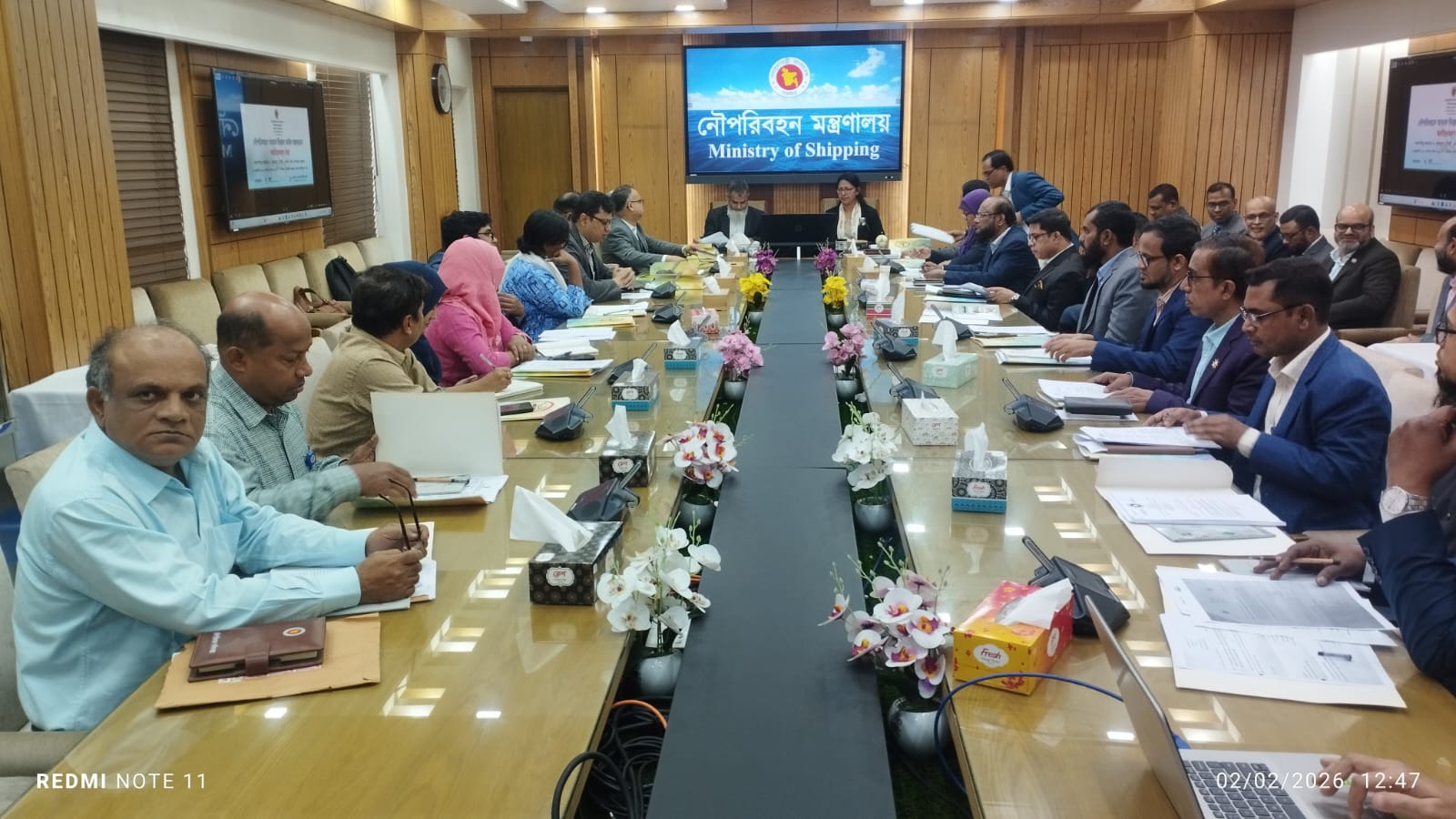
On February 2, 2026, at 11:30 a.m., a meeting titled “Implementation of Tobacco Control Law in Water Transport” was held at the Bangladesh Secretariat with the support of the Ministry of Shipping. The meeting was jointly organized by Development Activities of Society (DAS) and the Bangladesh Anti-Tobacco Alliance (BATA). I attended the meeting as a tobacco control researcher and highlighted the urgent need to strengthen tobacco control measures in the water transport sector.
I strongly believe that it is not possible to make hundreds of vessels tobacco-free through the efforts of government and non-government tobacco control organizations alone. If the Ministry of Shipping issues written directives to vessel owners clearly stating that the sale of cigarettes, bidis, or smokeless tobacco products such as jarda is strictly prohibited on any vessel, enforcement would become far more effective. On one hand, owners’ initiatives, and on the other, efforts by organizations like DAS—such as installing sufficient No Smoking signage—can together protect passengers from exposure to secondhand smoke.
In addition, the Ministry of Shipping must take stronger measures to stop the dumping of waste and garbage into rivers from vessels. I believe that if conditions related to banning tobacco sales and use, as well as preventing waste disposal into rivers, are incorporated into vessel fitness certificates and route permits, regulation would become much more effective. Since penalties are associated with violations, vessel owners would be encouraged to take proactive steps to keep their ferries, launches, and ships smoke-free and tobacco-free. In my view, this would be a sustainable and effective solution.
The meeting was chaired by Dr. Nurunnahar Chowdhury, NDC, Secretary of the Ministry of Shipping, and moderated by Aminul Islam Sujan, Technical Advisor of Vital Strategies. Special guests included Hamidur Rahman Khan, Chairman of DPDC and former Senior Secretary, and Hossain Ali Khondokar, former Additional Secretary of the Ministry of Health and Family Welfare and former Coordinator of the National Tobacco Control Cell. The keynote paper was presented by renowned lawyer and policy analyst Advocate Syed Mahbubul Alam Tahin. Senior officials from the Ministry of Shipping, BIWTA, and BIWTC were also present.
Research presented at the meeting revealed that in 2024, approximately 25% of people involved in water transport were smokers, exposing the remaining 75% to secondhand smoke. Another study by TCRC showed that only 33% of launch terminals had “smoke-free” signs, while just 20% had legally compliant warning signage. Nevertheless, smoking and the sale of tobacco products remain widespread at most terminals, which is a serious concern.
At the conclusion of the meeting, the Secretary of the Ministry of Shipping stated that the ministry would take effective steps to implement the Tobacco Control Law in the water transport sector to protect public health. She also mentioned that the Department of Shipping has begun developing a centralized database, which, once completed, will make tobacco control enforcement in vessels and terminals significantly easier and more effective.
